Menopause And Urinary Incontinence
Exactly How Estrogen Loss Influences Urinary Function Wwmg Blog
Then, overtime, our bladders really reduce, which leads to boosted urinary frequency. A recent research study discovered that estrogen stimulates production of antimicrobial materials in the bladder and reinforces the urinary system cells, making it more difficult for germs to grow. Studies reveal that as much as 1/3 of males and females in the united state struggle with urinary system incontinence, making it a a lot more usual trouble than many people realize. Although a lot of usual in menopausal ladies, various other women can likewise develop genital degeneration, such as those that are breastfeeding, are postpartum, who smoke, or get on the edge of entering menopause. Changes in your day-to-day routines can make a huge difference in taking care of urinary incontinence throughout menopause. Tracking when leakages occur, what you were doing, how much urine was released, and how much you consumed alcohol can aid your provider tailor therapy to your demands.In this circumstance, Kegel exercises will certainly not assist your urinary system signs and might cause much more troubles. Speak with your doctor or registered nurse regarding your urinary system signs before doing Kegel exercises. You and your doctor or nurse will interact to produce a treatment strategy.

Anxiety Incontinence
The occurrence of UI among post-menopausal females varied from 13.6% to 84.4%, with an overall prevalence of 5394 (63.1%). Across research studies, the mean age of menopause differs, with some researches reporting standards around 48 to 50 years. A number of researches report that UI occurrence raises with age, especially in the postmenopausal duration. UI symptoms, such as melting micturition and blended UI, are kept in mind, often related to the genitourinary syndrome of menopause (GSM) and nocturia. These signs and symptoms are linked to decreased quality of life and significant morbidity.
Menopause-related hormone changes can aggravate the bladder and add to this problem. In general, the studies stress the intricacy of UI in postmenopausal females, where aspects such as age, hormone adjustments, and way of living contribute to the variability in occurrence and symptom extent. If you are unpleasant or unclear concerning doing Kegel workouts by yourself, a medical professional or Homepage registered nurse can also show you just how to do Kegels. A pelvic floor physical therapist or other expert might also be readily available in your area to assist teach you exactly how to reinforce these muscular tissues.Diagnostic Strategies For Hormonal And Urological Issues
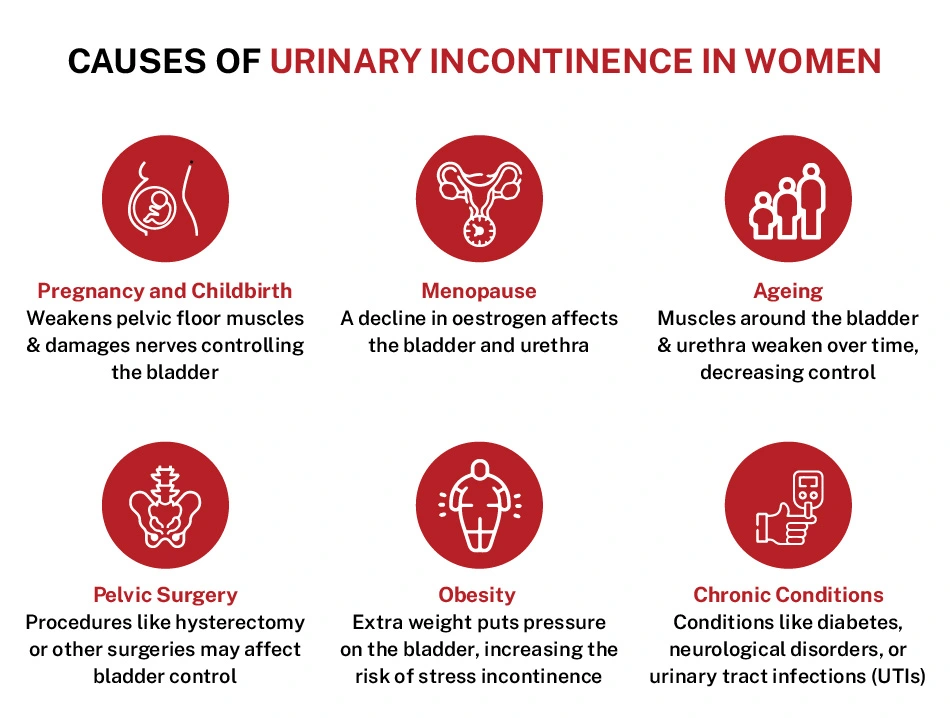
As ladies go into and proceed through menopause, their bodies undertake hormone changes, one of the most dramatic being a decrease in the production of estrogen (the woman sex hormonal agent). This drop in estrogen levels can make it challenging for ladies to keep a healthy and balanced urinary system tract. Specific medications may help reduce signs of urge urinary incontinence and over active bladder by unwinding the bladder muscles or reducing bladder convulsions.
For instance, estrogen aids keep the bladder and urinary system system cells healthy and balanced, keeping a flexible quality that advertises regular function. During menopause, the decline in estrogen causes these cells to thin and damage. Gradually, these modifications make it harder to manage pee flow, enhancing the threat of pee leak or incontinence. Individuals regularly ask if fluctuations in male hormonal agents impact their shower room practices, and the solution is yes. Modifications in testosterone levels can cause considerable urinary problems in males as they age.- Right here, we'll discuss even more information on how hormonal discrepancies that occur throughout life can cause reduced urinary system signs, such as incontinence.
- The pelvic flooring muscular tissues, which lie between the tailbone and the pubic bone within the hips, aid control the flow of pee.
- With just-in-case urinating, we train our body to respond to bladder advises when it's not quite at ability.
- Physical changes brought on by menopause can result in bladder problems.
- Progesterone can additionally influence bladder function, although its function is much less direct than estrogen.